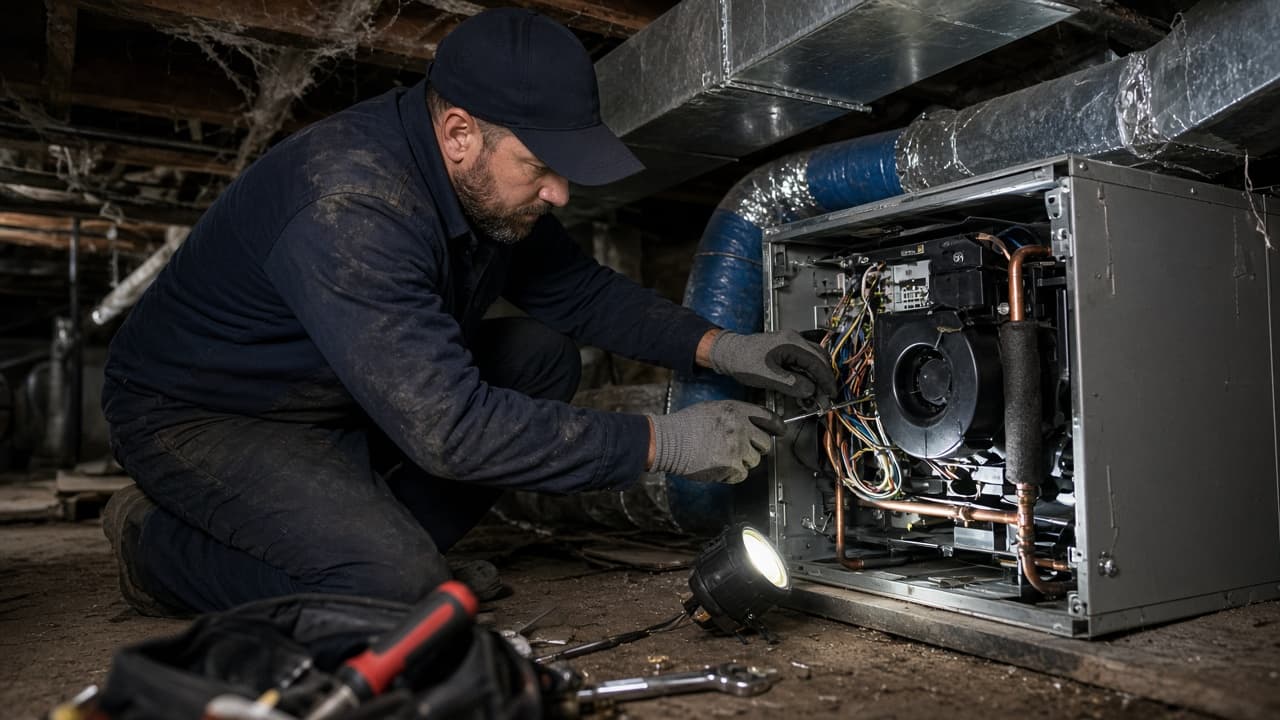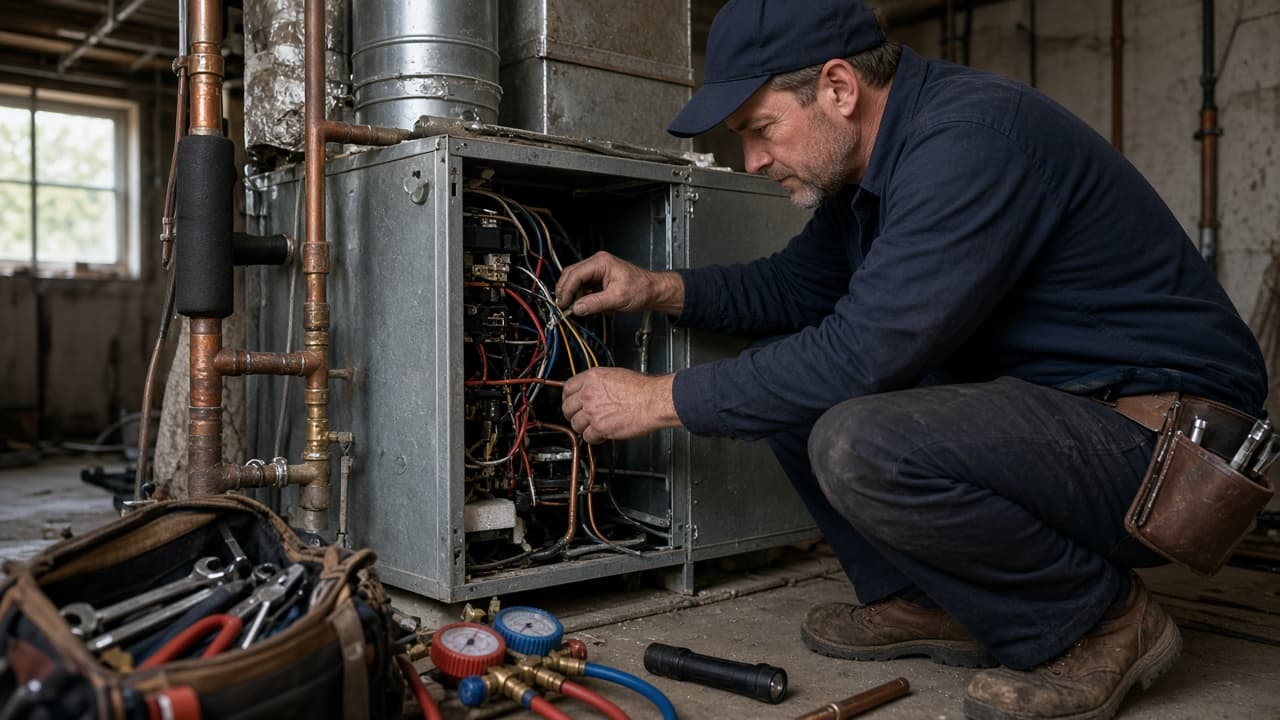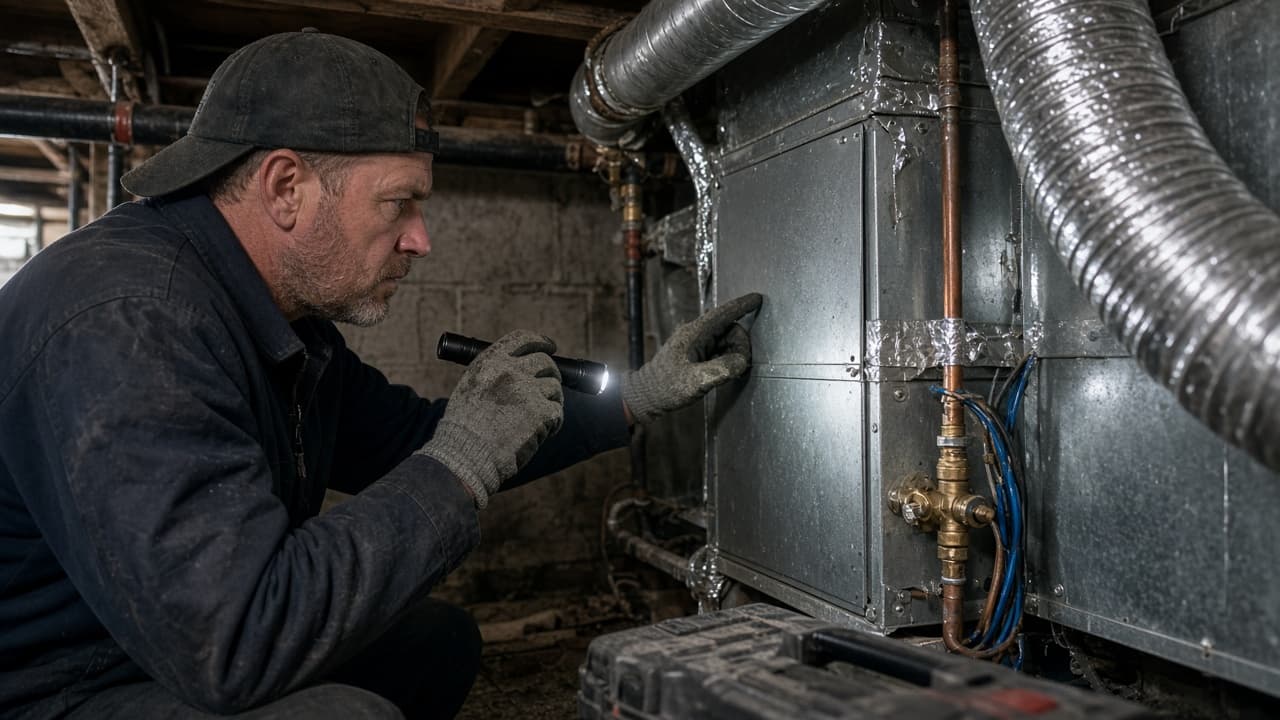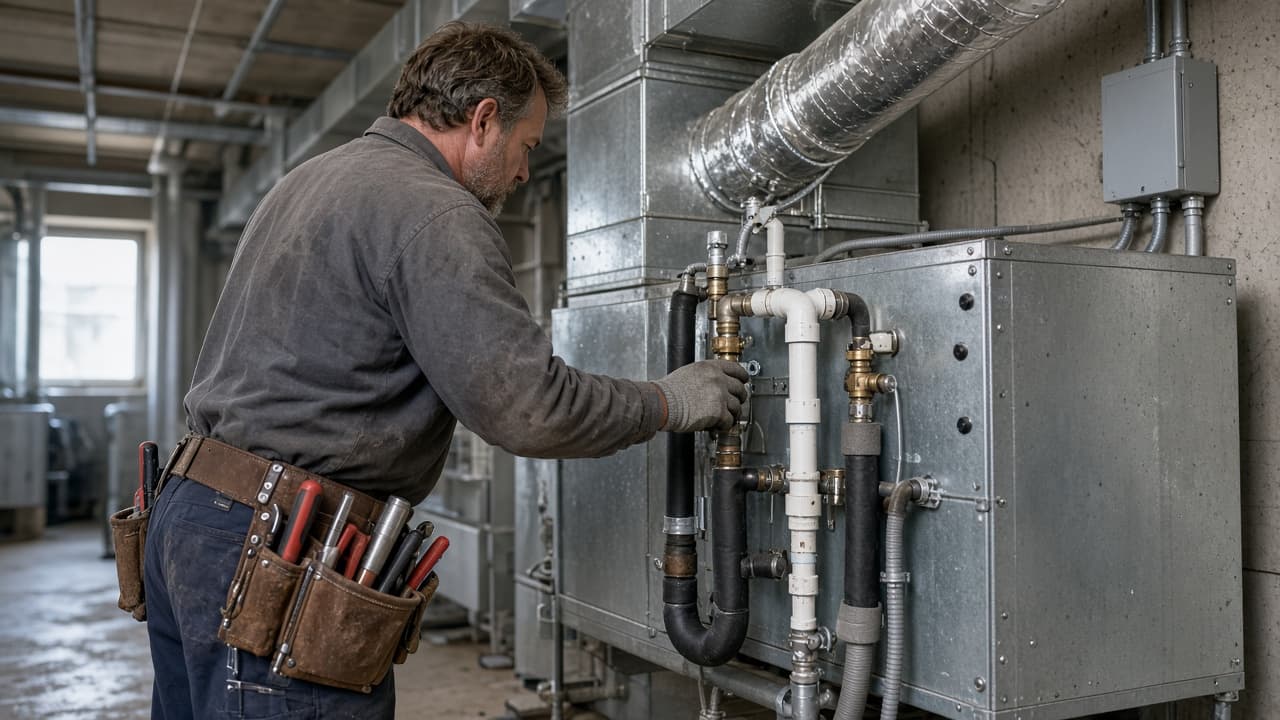
HVAC operators do not need a legal essay on the homepage. They need intake that captures EPA refrigerant handling awareness, no-cool urgency triage, and PM follow-up so the job is defensible and dispatchable. Mira on HvacDispatch is built for that first conversation.
Compliance Starts On The Call
Most hvac risk is not a missing binder — it is a missing note: who called, what they reported, what was promised, and what urgency class was assigned. When that lives only in someone’s memory, audits and insurance conversations get expensive.
Fields Worth Capturing Every Time
- Identify caller role (owner, tenant, PM, insurer).
- Capture site access and safety constraints.
- Record urgency class with plain-language criteria.
- Note EPA refrigerant handling awareness, no-cool urgency triage, and PM follow-up relevant to this vertical.
- Confirm callback channel and booking window.
- Write the job to the board before hanging up.
What Mira Should Not Do
| Allowed | Not allowed |
|---|---|
| Collect facts for dispatch | Invent legal advice |
| Apply your published rules | Override licensed judgment |
| Book within service area | Promise outcomes you cannot fulfill |
| Flag edge cases for humans | Hide uncertainty |
Treat the agent as a disciplined intake clerk with perfect hours — not as a licensed professional. Humans own exceptions; Mira owns consistency.
Practical Checklist
- -Publish the rules Mira may enforce (area, hours, deposit).
- -Define urgency vocabulary techs already use.
- -Require address + access notes before booking completes.
- -Review ten transcripts weekly for drift.
- -Keep pricing claims synced to DispatchNode plan-config.
“If it was not written on the job, it did not happen — especially after midnight.”
Next
- Walk a compliance-aware booking: /meet
- Packaging: https://hvac.dispatchnode.com/pricing
Operating Discipline After Go-Live
Shipping Mira is the start. The shops that win treat the board as the system of record and refuse to rebuild jobs from memory.
On a normal weekday, the pattern looks like this: Mira books overnight comfort calls into clear urgency classes; morning ops skims the board in fifteen minutes; techs roll with access notes already attached; exceptions get a human callback instead of a full re-interview. During heatwaves and first cold snaps, the same loop holds — only the volume changes.
Document the three promises you will never let Mira make. Write the three declines you expect every week. Review ten transcripts on Friday. If a claim on the marketing site disagrees with DispatchNode packaging, fix the site the same day.
HvacDispatch is the front door. DispatchNode is the plant floor. Keep that boundary crisp and hvac customers stop experiencing “who has the phone?” as your brand.
Operators also need a boring weekly ritual: Monday — confirm service-area polygons still match what Mira enforces. Wednesday — sample five after-hours bookings for deposit and access completeness. Friday — fix any script drift before the weekend spike. None of that is glamorous. All of it compounds faster than another brochure page.
When EPA refrigerant handling awareness, no-cool urgency triage, and PM follow-up matters on a job, capture it on the first call or accept that the second call will be apologetic. Mira is the consistent clerk; humans remain the exception handlers. That split is the entire product thesis behind HvacDispatch.
What “Good” Looks Like In The Field
A good week is boring on purpose. The board shows completed comfort calls with access notes that actually worked. Callbacks are exceptions, not the default. New techs learn the urgency vocabulary in one morning because it is written once and enforced by Mira every night.
A bad week is theatrical: heroes on the phone, missing addresses, deposit arguments, and a manager reconstructing yesterday from texts. If that still describes your shop, the website is not the bottleneck — intake is.
Use HvacDispatch to remove the theatrical layer. Keep humans for judgment calls, damaged relationships, and true edge cases. Measure recovered after-hours jobs for thirty days before you debate another marketing channel. Most hvac operators discover the phone was the quietest revenue leak they had.
Train one owner story: the night heatwaves and first cold snaps hit and Mira still booked while the trucks were already out. That story sells better than any feature grid — because it is the job the customer already understands.
Claims ledger
- Compliance language here is operational guidance, not legal advice.
- Trial: 14 days, no card required.
- Plans: $299–$899 per location per month on DispatchNode.